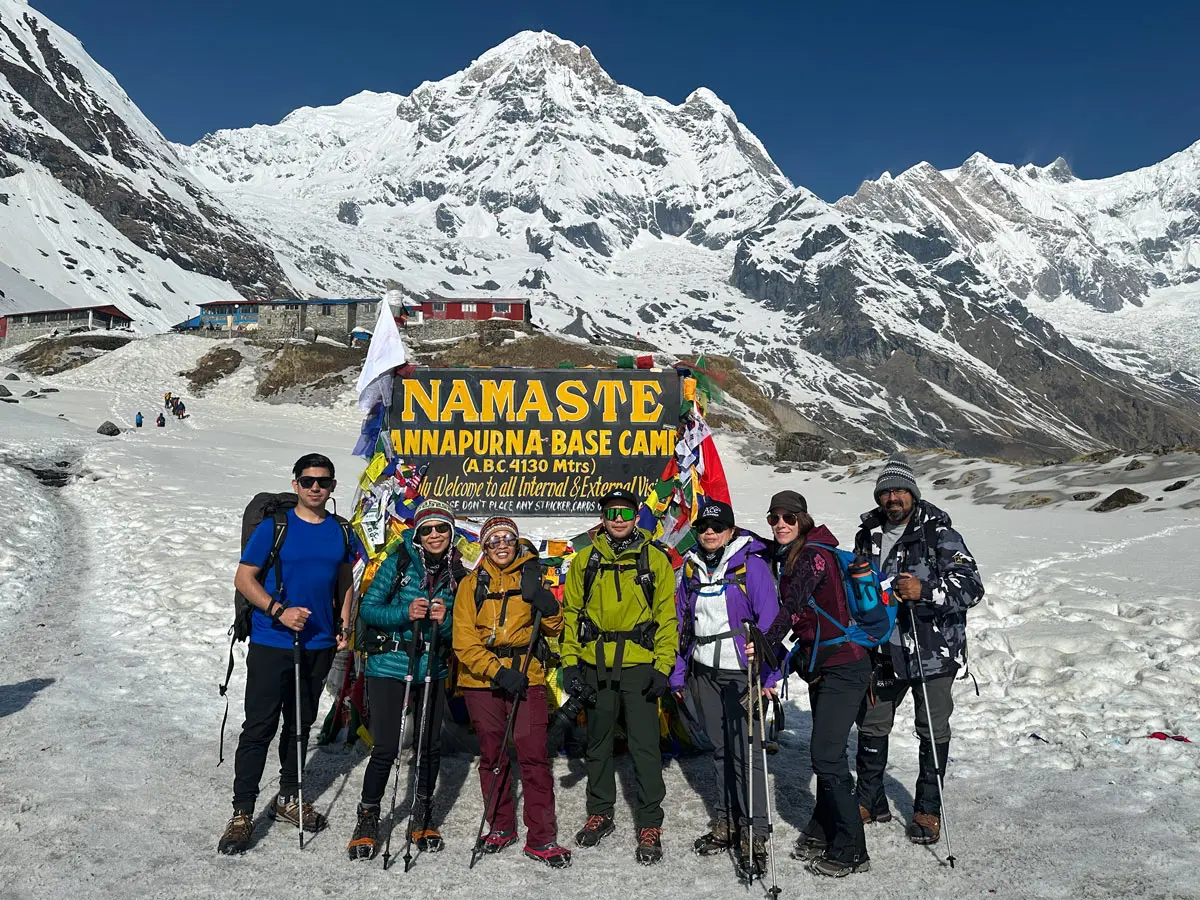
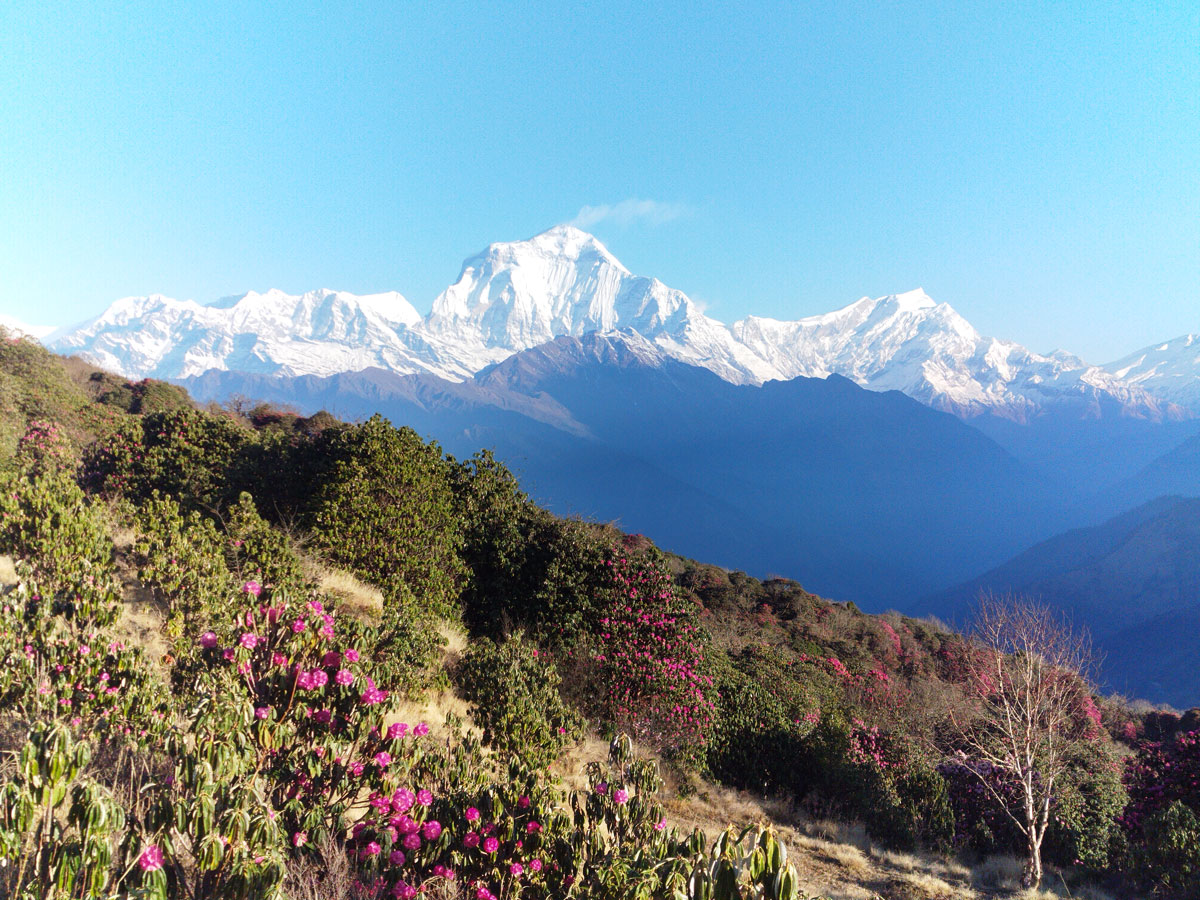
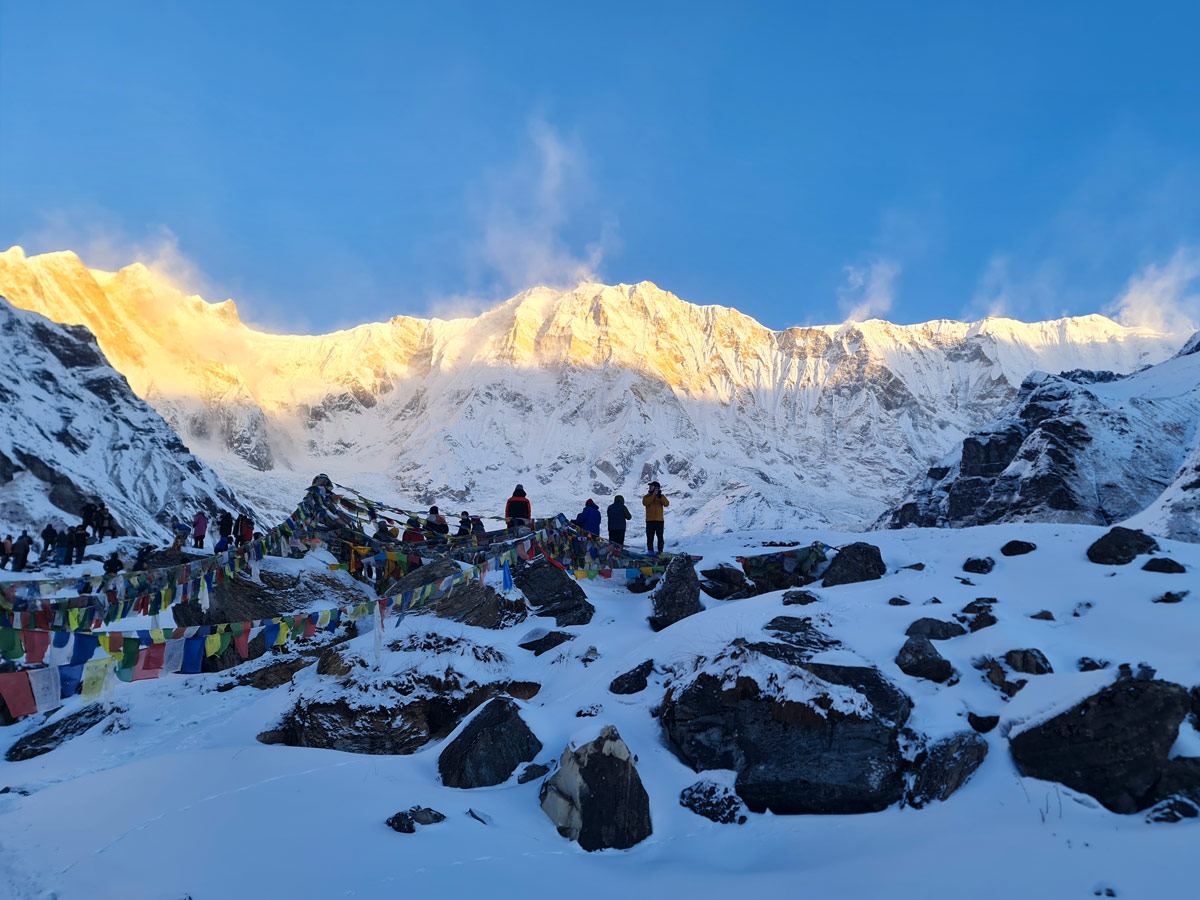
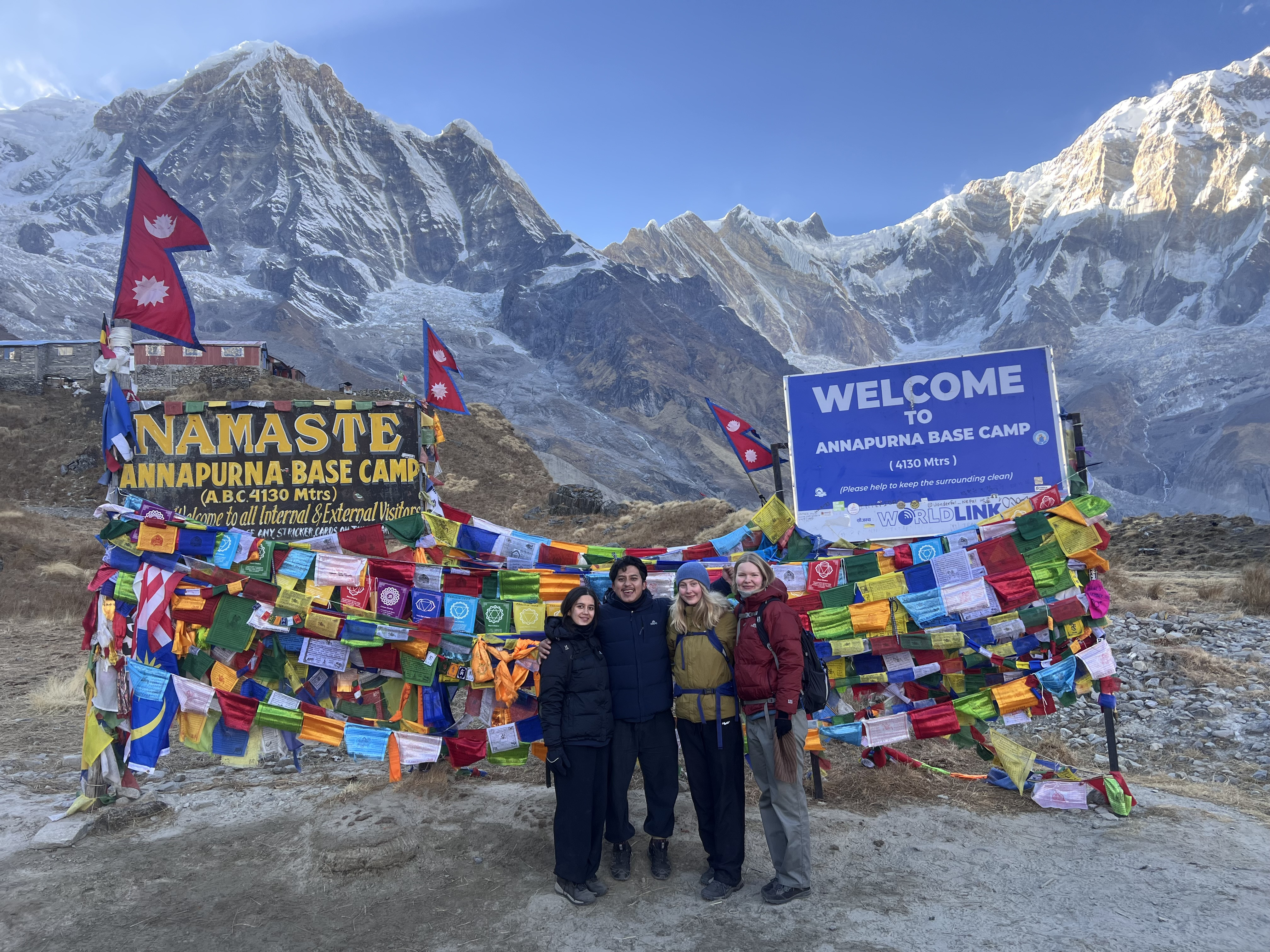
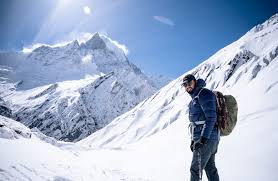
The Annapurna Base Camp Trek is one of Nepal's most iconic trekking adventures, offering an unforgettable journey into the heart of the Annapurna Himalayas. This scenic trek takes you through charming mountain villages, terraced farmlands, lush rhododendron forests, and diverse landscapes before reaching Annapurna Base Camp at an altitude of 4,130 meters (13,550 feet).
Surrounded by towering peaks including Annapurna I, Machapuchare, Hiunchuli, and Annapurna South, trekkers are rewarded with breathtaking panoramic mountain views and a unique experience of Himalayan culture. The trail passes through traditional Gurung and Magar settlements, providing opportunities to interact with local communities and experience their warm hospitality.
Suitable for both beginner and experienced trekkers with a reasonable level of fitness, the Annapurna Base Camp Trek combines natural beauty, cultural richness, and high-altitude adventure, making it one of the most rewarding trekking experiences in Nepal. The trek typically takes 7–12 days depending on the itinerary and is best enjoyed during spring (March–May) and autumn (September–November), when weather conditions are most favorable and mountain views are at their clearest.
We pride ourselves in running a relaxed and flexible schedule. Every American River rafting trip is different depending upon the group, other trips on the water, and sometimes the weather. The following is a sample of what your trip might be like:
Hover over any day to see details
Gear check, pre-trek briefing and team dinner. Your guide covers the full route, altitude profile, AMS recognition and daily schedule.
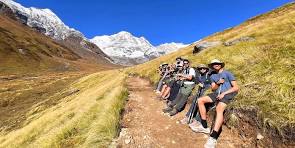
Drive to Kimche or Nayapul. Trek through terraced farmland and Gurung villages to Ghandruk — one of the largest Gurung settlements in Nepal. First views of Annapurna South and Hiunchuli from the village ridge.
Descend to the Modi Khola valley and climb to Chhomrong — the gateway to the Annapurna Sanctuary. The permit checkpoint controls all access beyond. Last major village before the gorge closes in.
Descend to the Modi Khola valley and climb to Chhomrong — the gateway to the Annapurna Sanctuary. The permit checkpoint controls all access beyond. Last major village before the gorge closes in.
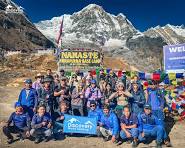
Through Machhapuchhre Base Camp at 3,700m then the final push into the Sanctuary. The valley opens suddenly — eight peaks above 7,000m surrounding the basin in a complete circle. Annapurna I at 8,091m directly north. Spend the afternoon and night at base camp.
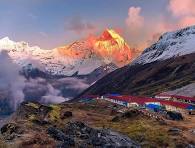
Sunrise at the Sanctuary with the full Annapurna range lit before descending. The same trail in reverse moves quickly downhill. The air thickens noticeably with every hundred metres lost.
Trek to Jhinu Danda and the natural hot springs above the Modi Khola. Drive back to Pokhara by evening.
Rest day in Pokhara or onward departure. If combining with the Kali Gandaki river expedition, transfer to Beni begins today — two hours from Pokhara.
✓ Licensed trekking guide throughout
✓ Porter — one per two guests
✓ All teahouse accommodation (twin sharing)
✓ All meals — breakfast, lunch and dinner
✓ ACAP permit + TIMS card
✓ Ground transport Pokhara to trailhead
✓ Emergency first aid kit and AMS protocol
✓ Helicopter evacuation coordination
✓ Pre-trek briefing in Pokhara
✓ Licensed trekking guide throughout
✓ Porter — one per two guests
✓ All teahouse accommodation (twin sharing)
✓ All meals — breakfast, lunch and dinner
✓ ACAP permit + TIMS card
✓ Ground transport Pokhara to trailhead
✓ Emergency first aid kit and AMS protocol
✓ Helicopter evacuation coordination
✓ Pre-trek briefing in Pokhara
The Annapurna Base Camp Trek experiences diverse weather conditions throughout the year due to its varying elevations. Understanding seasonal weather patterns helps trekkers choose the best time for their adventure.
Spring (March to May)
Spring is one of the most popular trekking seasons, offering mild temperatures, blooming rhododendron forests, and excellent mountain views. Daytime temperatures are generally comfortable, while nights can be cold at higher elevations.
| Requirement | Detail | Status |
|---|---|---|
| Fitness | Walk 5–7 hours per day with a 4–6kg daypack. Good cardiovascular endurance required. | Required |
| Altitude awareness | Recognise AMS — headache, nausea, dizziness — and be prepared to descend if needed. | Required |
| Minimum age | 12 years. Under 16 must be accompanied by a parent or guardian throughout. | Required |
| Prior trekking | Multi-day trekking experience at altitude recommended. Not strictly required. | Recommended |
| Medical conditions | Disclose any heart or respiratory conditions at booking. Altitude increases cardiovascular demand. | Note |
| Medications | Consult your doctor about Diamox before departure. Bring a personal first aid kit. | Note |
Every OarPeak enquiry is answered by a guide — not a booking agent. Maximum 12 guests per departure.
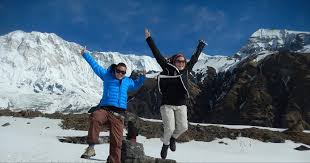
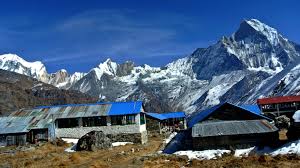
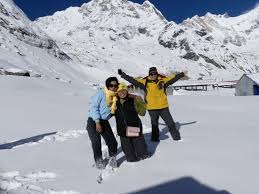
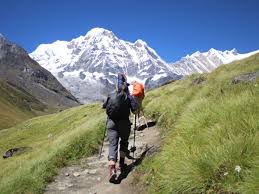
The Annapurna Base Camp Trek exceeded all my expectations. The mountain scenery was breathtaking, and the local villages provided a wonderful cultural experience. Our guide was knowledgeable and supportive throughout the journey. Reaching base camp surrounded by snow-capped peaks was an unforgettable moment.
- Sarah Thompson
This was my first trek in Nepal, and it was absolutely amazing. The itinerary was well planned, the teahouses were comfortable, and the views became more spectacular every day. Watching the sunrise over the Annapurna range from base camp was a highlight of my trip.
- Michael Anderson
A perfect combination of adventure, nature, and culture. The trail was challenging at times but very rewarding. The hospitality of the local people and the stunning Himalayan landscapes made this trek one of the best travel experiences I've ever had. Highly recommended!
- Emily Roberts
The Annapurna Base Camp Trek is considered a moderate trek suitable for beginners with a reasonable level of fitness. Daily walking typically ranges from 4–7 hours, with gradual altitude gain throughout the journey.
The best seasons for the Annapurna Base Camp Trek are spring (March to May) and autumn (September to November). These months offer clear mountain views, stable weather, and comfortable trekking conditions.
No prior trekking experience is required. However, good physical fitness and preparation are recommended. The trail is well-established, and many first-time trekkers successfully complete the journey with proper acclimatization and guidance.